
What Is Soft Washing? Soft Washing vs. Pressure Washing Explained
Soft washing is a low-pressure exterior cleaning method designed to remove dirt, algae, mold, mildew, and other organic buildup from outdoor surfaces. Unlike traditional pressure washing, soft washing relies more on cleaning solutions and controlled water pressure than on force.
This cleaning method is often used on surfaces that may be damaged by high pressure, including roofing materials, siding, painted surfaces, and some delicate exterior areas. Understanding how soft washing works can help property owners choose the right cleaning method for different parts of their property.
One common application is roof soft washing, which uses a low-pressure cleaning process to address organic growth and buildup without relying on aggressive water pressure. But how is soft washing different from pressure washing, and when should each method be used?
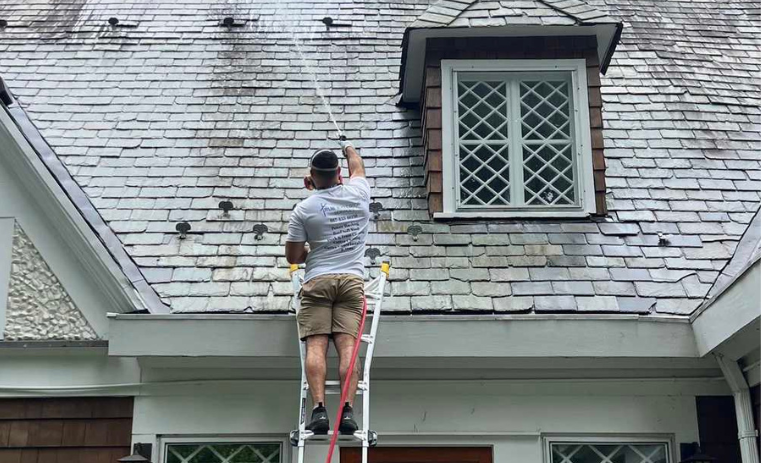
What Is Soft Washing?
Soft washing is an exterior cleaning technique that combines a cleaning solution with low-pressure water.
The cleaning solution helps break down organic growth, dirt, and other surface contaminants. Low-pressure water is then used to rinse away the loosened material.
The main idea is simple: the cleaning solution does most of the cleaning work, while the water pressure is used mainly for rinsing.
This makes soft washing different from conventional pressure washing, where higher water pressure can play a much larger role in removing surface buildup.
What Can Soft Washing Remove?
Depending on the surface and cleaning method, soft washing can help remove:
Algae
Mold
Mildew
Dirt
Dust
Organic stains
Green buildup
Surface grime
Some biological growth
The exact cleaning solution and application process should depend on the surface being treated.
Why Is Low Pressure Important?
High pressure is not appropriate for every exterior surface.
Some materials can be scratched, cracked, loosened, or otherwise damaged when exposed to excessive pressure. Soft washing reduces this concern by using a much gentler water application.
However, low pressure does not mean the process is ineffective. The cleaning solution is selected to help break down the contaminants before they are rinsed away.
How Does Soft Washing Work?
Soft washing generally follows a straightforward process. The exact steps can vary depending on the surface, type of buildup, and cleaning requirements.
1. Surface Inspection
The first step is to inspect the area that needs cleaning.
This helps identify:
The type of material
Existing stains or growth
Areas that may require extra attention
Nearby surfaces that need protection
Possible damage or weak areas
Surface inspection is especially important when cleaning roofs and other delicate materials.
2. Cleaning Solution Application
A suitable cleaning solution is applied to the affected surface.
The solution helps loosen and break down organic contaminants. It is important to use a solution appropriate for the specific material.
3. Dwell Time
The cleaning solution may need time to work.
This period is commonly called dwell time. Allowing the solution to remain on the surface for the appropriate amount of time can help loosen stubborn buildup.
4. Low-Pressure Rinsing
After the solution has done its work, the surface is rinsed using controlled, low-pressure water.
The goal is to remove the loosened dirt and organic material without unnecessarily stressing the surface.
What Is Roof Soft Washing?
Roof soft washing is a specialized application of the soft washing method for cleaning roofing materials.
Roofs can collect algae, moss, mildew, dirt, and other organic debris over time. These contaminants can affect the appearance of the roof and may contribute to surface deterioration if they are left untreated.
Unlike aggressive pressure washing, roof soft washing uses a cleaning solution and low-pressure rinsing to clean the roofing surface more gently.
Different roofing materials have different cleaning requirements, so the method should always be selected based on the roof's material and condition.
Soft Washing vs. Pressure Washing: What Is the Difference?
Soft washing and pressure washing are both used for exterior cleaning, but they rely on different approaches.
Soft Washing
Soft washing primarily uses:
Cleaning solutions
Low water pressure
Controlled application
Surface-specific cleaning methods
It is commonly considered for surfaces where high pressure may cause unnecessary damage.
Pressure Washing
Pressure washing uses stronger water pressure to physically remove dirt, grime, stains, and other buildup.
It can be useful for durable surfaces such as:
Concrete
Driveways
Walkways
Patios
Some masonry surfaces
The appropriate pressure still depends on the material and its condition.
Which Method Should You Choose?
There is no single cleaning method that works best for every surface.
A durable concrete driveway may respond well to pressure washing, while a roof may require a gentler approach. The material, condition, type of buildup, and desired result should all be considered before choosing a method.
Is Soft Washing Safe for Roofs?
Soft washing can be suitable for many roofing surfaces when the correct cleaning products and techniques are used.
The main benefit is that the process does not depend on high water pressure to remove buildup.
High-pressure cleaning on a roof can potentially disturb roofing materials, damage surfaces, or force water into areas where it should not go.
A low-pressure approach can reduce these risks, but proper technique is still important. Cleaning solutions should also be selected and applied carefully.
Soft Washing for Different Types of Exterior Surfaces
Soft washing is not limited to roofs. It can be used for various exterior surfaces where a lower-pressure approach is appropriate.
House Siding
Vinyl, painted, and other types of siding can collect dirt, mildew, algae, and organic buildup.
A soft washing approach can help clean these surfaces without relying on excessive pressure.
Exterior Walls
Some exterior walls can benefit from low-pressure cleaning when organic growth or surface grime has accumulated.
The cleaning method should be adjusted according to the material.
Roofs
Roof surfaces are one of the most common applications for soft washing. Organic growth can be treated with a suitable cleaning solution followed by controlled rinsing.
Other Delicate Surfaces
Certain painted or sensitive exterior surfaces may also require a gentler cleaning process.
However, not every delicate surface should automatically be soft washed. Testing and surface evaluation are important before cleaning.
Soft Washing in Different Service Areas
Cleaning requirements can vary depending on the property, surface material, and type of buildup.
For homeowners researching roof soft washing Orange County NY, the main consideration should be choosing a cleaning method that matches the roofing material and existing surface condition.
Properties in Rockland County may also experience algae and organic buildup on exterior surfaces. Information about roof soft washing Rockland County NY can help homeowners understand why low-pressure roof cleaning is often considered for these surfaces.
In New Jersey, homeowners researching roof soft washing Morris County NJ may also be looking for information about how soft washing differs from conventional pressure washing.
Similarly, roof soft washing Bergen County NJ can involve evaluating the roof material and the type of buildup before selecting an appropriate cleaning method.
For properties in northern New Jersey, information about roof soft washing Passaic County NJ can also help explain how low-pressure cleaning is applied to exterior surfaces.
These local terms describe the same basic cleaning principle, but the actual cleaning approach should always be based on the individual property's surface and condition.
What Are the Benefits of Soft Washing?
Soft washing offers several advantages when it is appropriate for the surface.
Uses Lower Water Pressure
The process uses low pressure instead of relying on force to remove contaminants.
Helps Address Organic Growth
Cleaning solutions can help break down algae, mold, mildew, and other biological buildup.
Suitable for Many Exterior Surfaces
Soft washing can be considered for roofs, siding, walls, and other surfaces that may not be suitable for aggressive pressure.
Helps Clean Hard-to-Reach Areas
Because the cleaning solution does much of the cleaning work, the process does not always require intense mechanical pressure against the surface.
Can Improve Exterior Appearance
Removing dirt and organic buildup can restore a cleaner appearance to an exterior surface.
What Should You Avoid When Soft Washing?
Soft washing still requires proper care. Using the wrong product or technique can cause problems.
Avoid:
Using a cleaning solution that is unsuitable for the surface
Allowing chemicals to contact sensitive materials unnecessarily
Ignoring nearby plants and landscaping
Using excessive pressure during rinsing
Mixing cleaning chemicals without proper guidance
Skipping a small test area
Applying the same process to every type of material
Proper preparation and surface awareness are important parts of the cleaning process.
Final Thoughts
Soft washing and pressure washing are different cleaning methods designed for different situations. Pressure washing can be useful for durable surfaces that can handle stronger water pressure, while soft washing provides a lower-pressure option for surfaces that need a gentler approach. Roof soft washing is one example where cleaning solutions and controlled rinsing can help address organic buildup without relying on aggressive pressure. Understanding the material and choosing the right cleaning method is the key to effective and careful exterior cleaning.
Frequently Asked Questions
-
Soft washing is used to clean exterior surfaces affected by dirt, algae, mold, mildew, and other organic buildup. It is commonly considered for roofs, siding, walls, and other surfaces where high pressure may be unsuitable.
-
Neither method is universally better. The appropriate option depends on the surface, its condition, and the type of buildup. Soft washing uses cleaning solutions and low pressure, while pressure washing relies more heavily on water pressure.
-
Soft washing can help treat algae and other organic growth on many roofing surfaces. The cleaning solution helps break down the growth before the roof is rinsed with controlled pressure.
-
No. Soft washing uses relatively low water pressure. The cleaning solution performs much of the work, while water is primarily used to rinse the surface.
-
There is no universal schedule. Cleaning frequency depends on factors such as the roof material, surrounding trees, moisture, shade, weather conditions, and how quickly organic growth returns.
-
Any exterior cleaning method can cause damage if it is performed incorrectly. Using an appropriate cleaning solution, suitable pressure, proper application technique, and surface-specific procedures helps reduce the risk.