
How Do I Power Wash My House? When to DIY and When to Hire a Pro
Power washing can remove dirt, dust, mildew, algae, stains, and other buildup from the outside of a house. It can make siding, walkways, patios, and other exterior areas look cleaner. But using a pressure washer is not as simple as pointing the nozzle at the surface and pulling the trigger.
The right pressure, nozzle, distance, cleaning solution, and technique all matter. Using too much pressure or the wrong method can damage siding, paint, wood, concrete, or other exterior materials. This is why many homeowners compare DIY cleaning with professional power washing services before starting the job.
This guide explains how to approach house power washing, what you can safely handle yourself, common mistakes to avoid, and when professional help may be more appropriate.
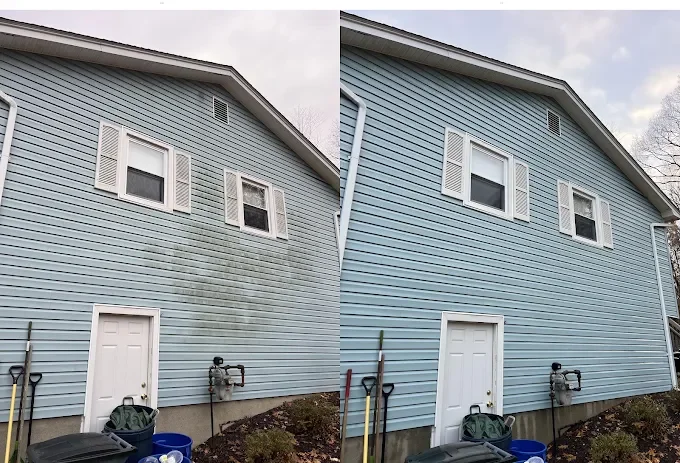
What Do You Need to Power Wash a House?
Before starting, gather the right equipment and prepare the area.
Basic equipment may include:
Pressure washer
Appropriate spray nozzles
Garden hose
Exterior cleaning solution
Protective eyewear
Gloves
Closed-toe footwear
Extension equipment if appropriate
Plastic sheeting for sensitive nearby items
The equipment you need depends on the surfaces being cleaned. A house with vinyl siding may require a different approach than a property with painted wood siding or masonry.
How Do You Prepare a House for Power Washing?
Preparation is an important part of the process. It helps protect the property and makes cleaning more controlled.
Remove Outdoor Items
Move furniture, planters, decorations, toys, and other loose objects away from the areas being cleaned.
Close Windows and Doors
Make sure windows and doors are properly closed. Check areas around frames for gaps that could allow water to enter.
Protect Sensitive Items
Cover or move items that could be affected by water or cleaning solutions. Pay attention to outdoor electrical equipment, delicate plants, and decorative features.
Check the Surface
Look for loose paint, cracks, damaged siding, deteriorated wood, or other existing problems. Power washing can make existing damage more noticeable or worsen weak areas.
What Pressure Should You Use to Power Wash a House?
There is no single pressure setting that is correct for every part of a house.
Different materials can tolerate different levels of pressure. The goal should always be to use enough cleaning power to remove buildup without damaging the surface.
For example, a durable concrete surface may tolerate more pressure than painted siding or older wood.
The nozzle also affects cleaning intensity. A narrow spray concentrates water into a smaller area, while a wider spray distributes the water over a larger area.
Before cleaning a large section, test the selected setting in a less noticeable area.
How Do You Power Wash House Siding?
Siding requires controlled cleaning because excessive pressure can cause damage.
Start with a suitable nozzle and keep the spray at a safe distance from the surface. Work systematically rather than concentrating the spray on one small area for too long.
For surfaces with mildew, algae, or other organic buildup, a suitable cleaning solution may help loosen the contamination before rinsing.
Important Siding Tips
Use appropriate pressure for the siding material.
Keep the nozzle moving.
Avoid spraying directly into seams and openings.
Test a small area first.
Do not concentrate pressure on damaged sections.
Rinse thoroughly when the cleaning process is complete.
Vinyl siding, painted surfaces, wood siding, and other materials should not automatically be cleaned using the same pressure or technique.
Can You Power Wash Concrete and Driveways?
Concrete is generally more durable than many house siding materials, but it can still be damaged by improper cleaning.
Power washing can help remove:
Dirt
Mud
Algae
Surface grime
Some stains
Organic buildup
For larger concrete areas, work in consistent sections. Uneven cleaning can sometimes leave visible patterns on the surface.
A suitable cleaning solution may also be useful for certain types of buildup. The treatment should depend on the type of stain and the condition of the concrete.
What Are Common Power Washing Mistakes?
Many problems happen because homeowners focus only on water pressure.
Using Too Much Pressure
High pressure can damage surfaces instead of cleaning them. It can strip paint, scar wood, damage siding, or affect concrete surfaces.
Holding the Nozzle Too Close
A spray that is safe from a distance can become much more aggressive when the nozzle is moved closer to the surface.
Using the Wrong Nozzle
Nozzles produce different spray patterns and cleaning intensity. Choosing the wrong one can make the cleaning process less controlled.
Ignoring Surface Damage
Power washing a damaged surface without considering its condition can make existing problems worse.
Cleaning Without a Plan
Randomly spraying different areas can lead to uneven results. Working in sections provides better control.
Forgetting the Rinse
Cleaning solutions and loosened dirt should be rinsed appropriately. Residue should not simply be left on the surface.
When Is DIY Power Washing Reasonable?
DIY power washing may be suitable for homeowners who understand their equipment and are working on relatively accessible, durable surfaces.
A smaller project may be easier to manage when:
The surface is in good condition.
The area is easy to reach.
The correct equipment is available.
There is limited buildup.
The homeowner understands the equipment.
There are no major surface or safety concerns.
Even for a simple project, it is important to follow the pressure washer manufacturer's instructions and the cleaning product's directions.
When Should You Hire a Professional?
Some exterior cleaning projects require more experience and surface knowledge.
Professional cleaning may be worth considering when the property has:
Multiple exterior materials
Extensive algae or mildew
Heavy dirt buildup
Tall or difficult-to-reach areas
Delicate siding
Older surfaces
Large concrete areas
Significant staining
Areas that require specialized cleaning methods
Professional power washing services can involve selecting different techniques for different surfaces instead of treating the entire property the same way.
A professional approach can also be useful when the homeowner is unsure about the appropriate pressure, nozzle, cleaning solution, or equipment.
DIY Power Washing vs. Professional Cleaning
The main difference is not simply the equipment being used. It is also the cleaning approach.
DIY Power Washing
DIY cleaning gives homeowners direct control over the project. It may work well for smaller jobs when the surface is suitable and the person operating the equipment understands how to use it.
However, the homeowner is responsible for choosing the equipment, pressure, cleaning products, and technique.
Professional Cleaning
Professional exterior cleaning involves evaluating the surface before selecting a cleaning method.
Different parts of a property may require different approaches. For example, a concrete walkway may be cleaned differently from siding or a more delicate exterior surface.
The decision should be based on the material, condition, buildup, accessibility, and cleaning requirements.
Power Washing in Different Service Areas
Exterior surfaces can collect dirt and organic buildup in any location, but each property still requires an individual cleaning approach.
Homeowners researching power washing Orange County NY may be looking for information about cleaning siding, concrete, walkways, patios, or other exterior surfaces.
For properties in Rockland County, power washing Rockland County NY can involve similar exterior cleaning needs, with the cleaning method selected according to the surface material.
In New Jersey, homeowners considering power washing Morris County NJ may need to determine whether their siding, concrete, or other exterior areas are suitable for pressure washing.
Properties requiring information about power washing Bergen County NJ may also have several different exterior materials that should not all be cleaned using identical pressure settings.
For homeowners researching power washing Passaic County NJ, the same principle applies: the appropriate cleaning method depends on the property's surfaces, condition, and type of buildup.
These local searches can help property owners find information about exterior cleaning, but the actual cleaning method should always be based on the individual surface.
How Can You Make Power Washing Safer?
A few basic practices can make the process more controlled.
Always:
Read the pressure washer instructions.
Wear appropriate protective equipment.
Check the surface before cleaning.
Test the spray on a small area.
Keep the nozzle moving.
Maintain a consistent distance.
Use the appropriate cleaning solution.
Protect nearby sensitive materials.
Avoid electrical hazards.
Stop if the surface begins showing signs of damage.
Do not assume that stronger pressure produces better results. Effective cleaning is about using the appropriate combination of pressure, water, cleaning solution, and technique.
Final Thoughts
Learning how to power wash a house starts with understanding the surfaces being cleaned and choosing the right technique for each one. DIY power washing can be suitable for some smaller projects, but larger or more complicated jobs require additional care. Using the correct pressure, nozzle, cleaning solution, and distance can help reduce the risk of surface damage. When the project involves difficult surfaces or extensive buildup, professional power washing services can provide a surface-specific approach rather than using the same cleaning method everywhere.
Frequently Asked Questions
-
Yes, some homeowners can handle smaller exterior cleaning projects themselves. The suitability depends on the equipment, surface condition, cleaning area, and the homeowner's ability to operate the pressure washer safely.
-
Depending on the material and condition, power washing can be used on surfaces such as concrete, driveways, walkways, patios, and certain types of siding. Pressure should always be adjusted to the surface.
-
Yes. Excessive pressure, an unsuitable nozzle, or spraying too closely can damage some types of siding. Testing the cleaning method first can help reduce the risk.
-
A suitable exterior cleaning solution can help loosen dirt, algae, mildew, and other buildup. The product should be appropriate for the specific surface and used according to its instructions.
-
There is no universal schedule. Cleaning frequency depends on the property's location, weather exposure, surrounding vegetation, surface material, and how quickly dirt or organic buildup returns.
-
Consider professional help when the project involves large areas, multiple surface types, difficult-to-reach locations, heavy buildup, delicate materials, or uncertainty about the correct cleaning method.