
Graffiti can appear on concrete walls, sidewalks, retaining walls, commercial buildings, parking areas, and other outdoor surfaces without warning. Spray paint, markers, and other coatings can quickly make a clean property look neglected. The longer graffiti remains, the harder it can become to remove completely.
The good news is that concrete is durable and can often be cleaned successfully with the right method. However, using too much pressure, the wrong chemical, or an unsuitable cleaning tool can damage the surface or leave behind a visible stain.
This guide explains how to remove graffiti from concrete safely, what methods work best, what mistakes to avoid, and when professional cleaning may be the better option.
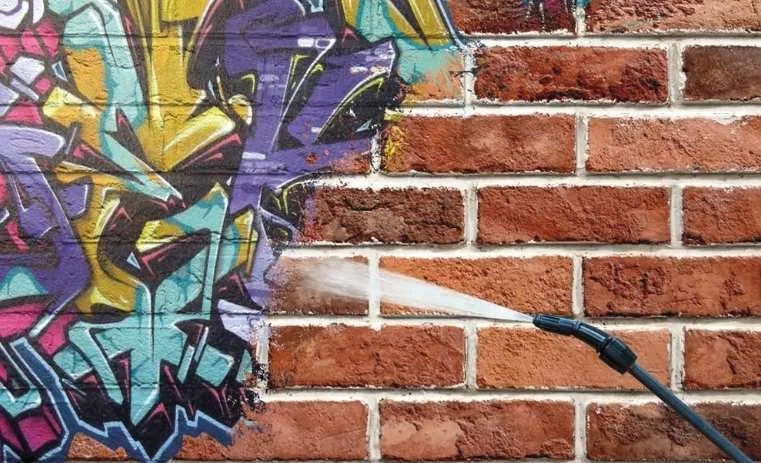
Why Is Graffiti Difficult to Remove from Concrete?
Concrete may look smooth, but it is actually a porous material. Paint and other graffiti materials can penetrate into tiny pores and irregular areas of the surface.
Several factors can affect removal:
Type of graffiti material
Age of the graffiti
Type and condition of the concrete
Porosity of the surface
Previous coatings or sealants
Weather exposure
Cleaning products used
Amount of pressure applied
Fresh graffiti may be easier to remove because the paint has had less time to bond with the surface. Older graffiti can require more careful treatment and multiple cleaning steps.
What Is the Best Way to Remove Graffiti from Concrete?
There is no single method that works for every concrete surface. The right approach depends on the paint, surface condition, and how deeply the graffiti has penetrated.
1. Identify the Graffiti Material
Start by determining what you are dealing with.
Graffiti may come from:
Spray paint
Permanent markers
Paint pens
Acrylic paint
Adhesive materials
Other coatings
Different materials respond differently to cleaning solutions. A product that works well on one type of graffiti may be ineffective or too aggressive for another.
2. Test a Small Area First
Before treating the entire surface, test the cleaning method in a small, less noticeable area.
This helps determine whether the product or technique:
Removes the graffiti effectively
Changes the appearance of the concrete
Causes discoloration
Damages a coating
Leaves a noticeable cleaning mark
Testing is especially important when dealing with older concrete or previously painted surfaces.
3. Use an Appropriate Graffiti Removal Cleaner
Graffiti removers are designed to break down paint and other markings. The product should be selected based on the graffiti and the surface being cleaned.
Follow the manufacturer's instructions carefully. Avoid mixing different chemicals unless the product instructions specifically allow it.
Allowing the cleaner to work for the recommended amount of time can help loosen the paint before mechanical cleaning begins.
4. Use Controlled Pressure Washing
Once the graffiti has been loosened, pressure washing can help remove the remaining material.
The key is controlled pressure, not simply using the highest pressure available.
Excessive pressure can:
Etch concrete
Remove the surface layer
Create uneven marks
Damage joints
Spread paint residue
A professional may adjust the pressure, nozzle, distance, and cleaning technique based on the condition of the concrete.
Can Pressure Washing Remove Graffiti from Concrete?
Yes, pressure washing can be effective for concrete graffiti removal, particularly when combined with an appropriate cleaning solution.
However, pressure washing alone may not remove deeply embedded paint. In some situations, the graffiti needs to be treated first to loosen the coating.
The cleaning process may involve several steps:
Inspect the concrete.
Identify the graffiti.
Test the cleaning solution.
Apply the appropriate treatment.
Allow it to dwell as directed.
Rinse or pressure wash the surface.
Inspect the area.
Repeat treatment if necessary.
The goal is to remove the graffiti while keeping the surrounding concrete as consistent as possible.
What Should You Avoid When Removing Graffiti?
Trying to remove graffiti quickly can sometimes create more problems.
Using Excessive Pressure
More pressure does not always mean better cleaning. High pressure can damage concrete and leave visible cleaning patterns.
Using the Wrong Chemicals
Some strong chemicals can discolor concrete or damage nearby materials. They can also create safety concerns if handled incorrectly.
Scrubbing Too Aggressively
Hard scrubbing may spread the paint or damage the surface texture.
Ignoring Nearby Surfaces
Graffiti removal should also consider nearby siding, painted surfaces, landscaping, windows, vehicles, and drains. Cleaning solutions and paint residue should not be allowed to affect surrounding areas.
Waiting Too Long
Graffiti generally becomes more difficult to remove as it remains exposed to the elements and becomes more firmly bonded with the surface.
When Should You Hire Professional Graffiti Removal Services?
DIY cleaning may be reasonable for a small, fresh marking on an easily accessible surface. Larger or older graffiti can be more difficult.
Professional graffiti removal services can be useful when:
The graffiti covers a large area.
The paint has penetrated deeply.
The concrete is older or delicate.
Multiple types of graffiti are present.
Previous cleaning attempts have failed.
The property contains several affected surfaces.
You want to minimize the risk of surface damage.
Professionals can assess the surface before selecting a cleaning method. This is particularly important for commercial properties where an uneven cleaning result can be highly noticeable.
How Professionals Approach Concrete Graffiti Removal
Professional removal is usually based on the condition of the surface rather than a one-size-fits-all process.
Surface Inspection
The first step is examining the concrete and surrounding area. The cleaner needs to understand the surface type, graffiti condition, and potential risks.
Cleaning Method Selection
Depending on the situation, the process may involve specialized graffiti removal products, pressure washing, soft washing techniques, mechanical cleaning, or a combination of methods.
Controlled Application
Cleaning products are applied carefully to the affected area. The surrounding surfaces may be protected to reduce unwanted exposure.
Thorough Rinsing
After the graffiti has been loosened, the surface is rinsed thoroughly to remove remaining paint and cleaning residue.
Final Inspection
The area is checked after cleaning. If traces remain, additional treatment may be needed.
This approach helps reduce unnecessary pressure and avoids treating every concrete surface in exactly the same way.
Does Graffiti Removal Damage Concrete?
Graffiti removal does not have to damage concrete when the correct cleaning method is used.
The risk increases when someone:
Uses excessive pressure
Uses unsuitable chemicals
Holds the nozzle too close to the surface
Cleans unevenly
Fails to test the method first
Ignores the condition of the concrete
Concrete that is already cracked, weathered, painted, or deteriorated may require additional care.
For that reason, surface inspection is an important part of the process.
Graffiti Removal in Different Areas
The cleaning needs of a property can vary depending on its location, exposure, and surrounding environment.
For example, property owners looking for graffiti removal in Orange County NY may deal with markings on concrete walls, commercial properties, sidewalks, or other exterior surfaces.
In graffiti removal in Rockland County NY, cleaning may involve residential and commercial concrete surfaces where maintaining a clean exterior is important for the property's appearance.
New Jersey properties can also require specialized graffiti cleaning. Property owners searching for graffiti removal in Morris County NJ may need help with graffiti on exterior concrete, retaining walls, or commercial areas.
Similarly, graffiti removal in Bergen County NJ can involve cleaning different concrete surfaces while taking care not to affect nearby landscaping, buildings, or other materials.
For properties in northern New Jersey, graffiti removal in Passaic County NJ may also require a surface-specific approach, particularly when graffiti has been present for an extended period.
How Can You Prevent Graffiti from Coming Back?
Removing graffiti solves the immediate problem, but prevention can make future maintenance easier.
Depending on the property, owners may consider:
Anti-graffiti coatings
Regular exterior inspections
Faster removal of new markings
Improved lighting
Security cameras
Keeping vulnerable areas clean
Addressing graffiti quickly after it appears
Protective coatings can sometimes make future graffiti easier to remove. However, the coating should be compatible with the concrete and applied correctly.
Is DIY Graffiti Removal Worth It?
For a small and recent marking, DIY cleaning may seem straightforward. But concrete can be surprisingly difficult to clean evenly.
The main challenge is finding the right balance between removing the graffiti and preserving the surface.
Professional cleaning may be a better option when the graffiti is large, old, deeply embedded, or located on a high-visibility commercial property.
If you decide to clean it yourself, always read the product instructions, wear the recommended protective equipment, test the product first, and avoid combining chemicals.
Final Thoughts
Knowing how to remove graffiti from concrete starts with understanding the surface and the type of marking involved. The safest approach is to use the appropriate cleaner, allow it to work properly, and use controlled cleaning pressure rather than relying on excessive force. For large, stubborn, or difficult-to-reach graffiti, professional graffiti removal services can help restore the concrete while reducing the risk of unnecessary surface damage.
Frequently Asked Questions
-
In many cases, graffiti can be removed effectively. Results depend on the type of paint, age of the marking, concrete condition, and how deeply the material has penetrated the surface.
-
Pressure washing can remove spray paint, especially when combined with an appropriate graffiti-removal treatment. The pressure must be controlled to avoid damaging the concrete.
-
The safest approach is to identify the graffiti, test a suitable cleaning method on a small area, use the appropriate treatment, and apply controlled pressure when rinsing.
-
Yes, old graffiti can often be removed, but it may require more treatment than fresh graffiti. Multiple cleaning steps may sometimes be necessary.
-
It can if the cleaning method is too aggressive or if the concrete has already weathered unevenly. Proper testing and controlled cleaning can help minimize visible differences.
-
Professional help is worth considering when graffiti covers a large area, has been present for a long time, is deeply embedded, or is located on a valuable or highly visible property.