
Your home's exterior faces dirt, rain, pollen, algae, mildew, and other outdoor elements throughout the year. Over time, these can leave your siding, driveway, patio, and walkways looking dirty and neglected. Regular exterior cleaning helps maintain your property's appearance and keeps outdoor spaces more inviting.
Many homeowners choose residential pressure washing services to remove stubborn dirt, improve curb appeal, and support routine property maintenance. Using the right cleaning method for each surface is essential to achieve good results without causing damage.
But why should you pressure wash your house? Beyond making your property look cleaner, exterior washing offers several practical benefits. Let's explore seven reasons to include it in your home maintenance routine.
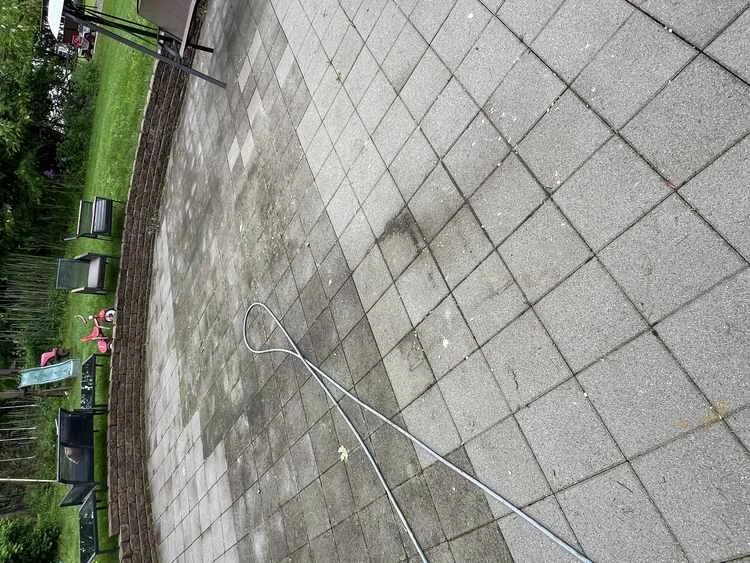
What Is Pressure Washing?
Pressure washing uses pressurized water to remove dirt, grime, mud, and other buildup from suitable outdoor surfaces. Depending on the material, professional cleaners may also use appropriate cleaning solutions.
Not every surface can withstand high pressure. Delicate siding, wooden decks, and roofing materials may require soft washing or another gentle cleaning method. Choosing the right technique helps clean effectively while protecting your home's exterior.
7 Benefits of Pressure Washing Your House
1. Improve Your Home's Curb Appeal
Dirt, pollen, stains, and organic growth can make your home look older and less maintained than it really is. Pressure washing suitable surfaces can restore a cleaner appearance and make your property more welcoming.
Cleaning your driveway, front walkway, patio, and exterior walls can create a noticeable difference without requiring a major renovation.
A clean exterior also creates a positive first impression for visitors and potential buyers.
2. Remove Dirt, Grime, Algae, and Mildew
Outdoor surfaces constantly collect environmental contaminants. Shaded or damp areas may develop algae and mildew, while driveways and walkways accumulate dirt, mud, and tire marks.
Appropriate pressure washing can remove many types of surface buildup. Persistent organic growth may require specialized cleaning solutions rather than water pressure alone.
Regular cleaning helps keep exterior surfaces looking better and makes accumulated grime easier to manage. However, moisture and shade can cause organic growth to return, so occasional maintenance may still be necessary.
3. Support Regular Exterior Maintenance
Pressure washing is not a substitute for repairs, painting, or sealing, but it can help you maintain your property.
Dirt and grime sometimes hide cracks, peeling paint, discoloration, and other visible signs of wear. Cleaning suitable surfaces can make these issues easier to identify during routine inspections.
The correct technique is important because excessive pressure can damage wood, paint, siding, and mortar. Delicate surfaces may need soft washing instead.
4. Keep Driveways, Walkways, and Patios Cleaner
Driveways, sidewalks, and patios collect dirt, food spills, tire marks, and organic growth through everyday use.
Pressure washing can remove accumulated grime from suitable hard surfaces, making outdoor spaces look cleaner and more inviting. Removing certain types of slippery buildup may also improve surface conditions, although washing alone cannot guarantee slip resistance.
Clean outdoor areas are particularly useful for homeowners who enjoy entertaining guests or spending time outside.
5. Prepare Surfaces for Painting and Maintenance
Planning to repaint your home or stain a deck? Cleaning the surface beforehand can help remove dirt and loose debris that interfere with preparation.
For example, suitable siding may need cleaning before painting, while a wooden deck requires a method appropriate for its material and condition.
Allow surfaces to dry properly before applying paint, stains, or coatings, and follow the manufacturer's preparation instructions. Pressure washing should be performed carefully to avoid damaging the surface or forcing water behind siding.
6. Improve Your Home's Appearance Before Selling
A property's exterior is often the first thing potential buyers notice. Dirty siding, stained concrete, and neglected walkways can distract from the home's other features.
Cleaning suitable surfaces before photographs, viewings, or open houses can help present your property in a more attractive condition.
Focus on visible areas such as the driveway, front entrance, patio, and exterior walls. While pressure washing cannot guarantee a higher selling price, it can help improve your home's overall presentation.
7. Maintain a Cleaner Home Throughout the Year
Exterior dirt builds up gradually, making it easy to overlook until stains become noticeable. A sensible cleaning routine helps you address buildup before it becomes more difficult to remove.
Your home's cleaning needs depend on weather, shade, nearby trees, exterior materials, and how quickly dirt or organic growth returns.
Inspect your property periodically and schedule cleaning when needed rather than following a rigid timetable.
For seasonal guidance, read our best time to power wash a house: month-by-month guide.
Which Areas of Your House Need Pressure Washing?
Different surfaces require different cleaning methods. Here are some common areas to consider:
House siding: Remove accumulated dust, pollen, and grime using a method suitable for the siding material.
Driveways and walkways: Clean suitable concrete surfaces to remove dirt, tire marks, and other buildup.
Patios: Remove outdoor grime and organic growth while protecting pavers, joints, and decorative finishes.
Decks and fences: Use appropriate low-pressure techniques when necessary to avoid damaging wood.
Roofs: Avoid conventional high-pressure washing on delicate roofing materials. Follow the recommended cleaning method for the specific roof type.
Choosing the right approach is just as important as removing the dirt itself.
How Often Should You Pressure Wash Your House?
There is no universal schedule for every property. Homes surrounded by trees or exposed to damp conditions may develop buildup sooner than properties in sunnier, drier locations.
Inspect your exterior regularly and look for visible dirt, algae, dark stains, and grime on driveways, siding, and patios. Cleaning frequency should also depend on the condition of the material and the manufacturer's recommendations.
If you are planning an exterior cleaning appointment, our guide on how long it takes to power wash a house explains the factors that influence cleaning time.
Is Pressure Washing Safe for Every Home?
No. Excessive pressure can strip paint, damage wood, harm siding, loosen mortar, or force water behind exterior materials.
Before cleaning, consider the surface type, its condition, and the type of buildup present. Protect nearby plants and belongings, and take care around electrical fixtures and openings.
Soft washing may be more suitable for delicate surfaces because it uses lower water pressure with appropriate cleaning solutions. When in doubt, consult a professional who can recommend the safest cleaning method.
Keep Your Home's Exterior Looking Its Best
Pressure washing can make a noticeable difference by removing accumulated dirt, improving curb appeal, and helping you maintain suitable exterior surfaces. The key is to choose the right cleaning method for your home's materials.
If your driveway, siding, patio, or walkways need attention, True Exterior Services can help you explore the appropriate cleaning options.
For dependable residential pressure washing services, contact True Exterior Services to discuss your property's needs and get started with professional exterior cleaning.
Frequently Asked Questions
-
Pressure washing removes dirt, grime, and certain types of organic growth from suitable exterior surfaces. It improves curb appeal, keeps outdoor areas cleaner, and supports routine home maintenance.
-
The main benefits include improved appearance, removal of surface buildup, cleaner driveways and patios, preparation for maintenance projects, and easier exterior inspections.
-
Cleaning frequency depends on weather, shade, surrounding vegetation, surface materials, and visible buildup. Inspect your property regularly and clean when needed.
-
Yes. Excessive pressure can damage siding, strip paint, or force water behind exterior materials. Always use a cleaning method appropriate for the siding type and condition.
-
Neither method is always better. Pressure washing suits certain hard surfaces, while soft washing is often more appropriate for delicate siding and other materials that cannot withstand high pressure.