
What Is the Difference Between Pressure Washing and Soft Washing?
If you are planning to clean your home's exterior, you may come across two common methods: pressure washing and soft washing. Both are used to remove dirt, grime, stains, algae, and other buildup, but they work in different ways.
The main difference is how much water pressure is used and how the cleaning is performed. Pressure washing relies more on pressurized water, while soft washing uses a cleaning solution with much lower water pressure.
Understanding Pressure Washing v/s Soft Washing can help you choose the right method for a specific surface. Using the wrong cleaning approach can cause unnecessary damage, especially on delicate materials such as certain types of siding, painted surfaces, or roofing.
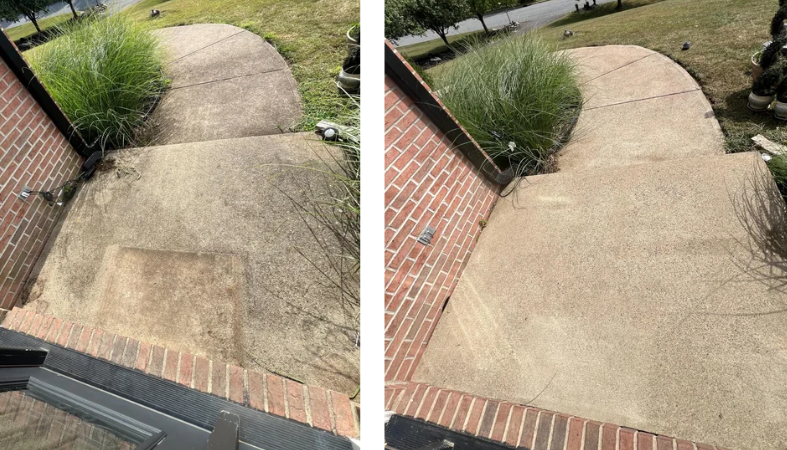
What Is Pressure Washing?
Pressure washing uses a machine to pump water at a higher pressure than a standard garden hose. The pressurized water is directed through a nozzle and used to loosen and remove dirt and surface buildup. A power washing service uses this controlled water pressure to clean suitable exterior surfaces more efficiently while matching the pressure and nozzle to the material being cleaned.
The cleaning power comes largely from the force of the water.
Pressure washing can be useful for durable surfaces such as:
Concrete driveways
Sidewalks
Patios
Walkways
Masonry
Some exterior walls
Certain types of siding
The pressure should still be adjusted according to the surface. Higher pressure is not always better.
How Does Pressure Washing Work?
A pressure washer pulls water from a connected water source and sends it through a pump. The pump increases the water pressure before sending it through the spray hose and nozzle.
The nozzle controls the spray pattern. A wider spray can cover a larger area, while a more concentrated spray delivers greater cleaning force to a smaller area.
The operator controls the distance, angle, movement, and pressure during cleaning.
What Is Soft Washing?
Soft washing is a low-pressure exterior cleaning method that relies more on cleaning solutions than high water pressure.
The cleaning solution helps break down contaminants such as algae, mildew, mold, dirt, and other organic buildup. After the solution has had time to work, the surface is rinsed using controlled, low-pressure water.
This approach can be useful for surfaces that may not tolerate aggressive pressure.
Soft washing is commonly considered for:
Roofs
House siding
Painted surfaces
Exterior walls
Other delicate areas
The cleaning solution should always be selected according to the surface and type of buildup.
How Does Soft Washing Work?
The process generally begins with an inspection of the surface. A suitable cleaning solution is then applied to the affected area.
The solution is allowed to work for an appropriate period. This helps loosen organic growth and other contaminants.
The surface is then rinsed with low-pressure water.
The goal is to allow the cleaning solution to perform most of the cleaning work rather than depending on strong water pressure.
Pressure Washing v/s Soft Washing: What Is the Main Difference?
The biggest difference is the role of water pressure.
Pressure washing uses stronger water pressure to provide mechanical cleaning power. Soft washing uses a cleaning solution to break down contaminants and relies on low-pressure water for rinsing.
However, the choice should not be based only on the pressure level. The surface material, condition, type of buildup, and desired result all matter.
A concrete driveway may benefit from pressure washing because concrete is generally more durable. A roof may require a gentler soft washing approach because excessive pressure can damage roofing materials.
When Should You Use Pressure Washing?
Pressure washing can be appropriate when the surface is durable and can safely handle pressurized water.
Concrete and Driveways
Concrete can collect mud, dirt, algae, tire marks, and other surface buildup. Controlled pressure washing can help remove these contaminants.
Sidewalks and Walkways
Outdoor walkways can accumulate dirt and organic material over time. Pressure washing can help restore a cleaner surface.
Patios
Many concrete or masonry patios can be pressure washed when the material is in suitable condition.
Durable Exterior Surfaces
Some masonry and other hard exterior materials can also be cleaned with pressure washing.
The pressure should always be adjusted to the material. Old, damaged, cracked, or deteriorated surfaces may need a gentler method.
When Should You Use Soft Washing?
Soft washing is often considered when a surface needs a lower-pressure cleaning approach.
Roofs
Roofs can collect algae, moss, mildew, and other organic growth. Using excessive pressure on roofing materials can cause unnecessary damage, making a low-pressure method more appropriate in many situations.
House Siding
Certain siding materials can be affected by excessive pressure. Soft washing can help remove organic buildup while using a gentler water application.
Painted Surfaces
Painted exterior surfaces may require careful cleaning to avoid peeling, chipping, or surface damage.
Areas With Organic Growth
When algae, mold, or mildew are the main contaminants, a suitable cleaning solution can help break down the growth before rinsing.
Can Pressure Washing Damage a Surface?
Yes. Pressure washing can damage a surface when the pressure, nozzle, distance, or technique is not appropriate.
Potential problems can include:
Damaged paint
Surface etching
Stripped coatings
Damaged siding
Marks on concrete
Damage to weak or deteriorated materials
This does not mean pressure washing is unsafe. It means the method should be matched to the surface.
An experienced operator considers the material before selecting the pressure and nozzle.
Is Soft Washing Safer Than Pressure Washing?
Soft washing can be a more suitable option for certain delicate surfaces because it uses significantly less water pressure.
However, soft washing is not automatically safe for every surface. The cleaning solution itself must be appropriate, and surrounding materials should be protected.
Plants, landscaping, windows, painted surfaces, and other nearby materials may need attention during the cleaning process.
The safest method is the one that matches the surface and contaminant being treated.
How Do You Choose Between the Two Methods?
Start by looking at the surface rather than choosing a method based only on the name.
Ask these questions:
What material needs to be cleaned?
Is the surface durable or delicate?
What type of buildup is present?
Is the buildup organic?
Is the surface painted or coated?
Is there existing damage?
Does the surface require a low-pressure approach?
For example, a heavily soiled concrete driveway may be a good candidate for pressure washing. A roof with algae growth may require a soft washing approach.
Some properties may even need both methods because different surfaces require different cleaning techniques.
Pressure Washing in Different Service Areas
The cleaning method should always be based on the individual surface, even when homeowners are searching for local services.
For homeowners researching pressure washing Orange County NY, common exterior cleaning needs may include concrete, siding, patios, and walkways.
Properties in Rockland County can have similar cleaning requirements. Information about pressure washing Rockland County NY can help property owners understand which surfaces may be suitable for pressurized cleaning.
In New Jersey, homeowners researching pressure washing Morris County NJ may need to determine whether their particular exterior surfaces can safely handle pressure washing.
For properties in Bergen County, pressure washing Bergen County NJ may be considered for durable exterior surfaces such as concrete and certain masonry areas.
Homeowners searching for pressure washing Passaic County NJ may also need to compare pressure washing with softer cleaning methods depending on the surface being cleaned.
These local terms are useful when researching exterior cleaning options, but the cleaning method should always be selected based on the property's actual condition.
Can Both Methods Be Used on the Same Property?
Yes. A property does not necessarily need to be cleaned using only one method.
Different surfaces can require different approaches.
For example:
A driveway may be pressure washed.
A roof may be soft washed.
Certain siding may require low-pressure cleaning.
A concrete walkway may need controlled pressure.
Painted surfaces may require a gentler approach.
Using the same pressure and technique across every surface can increase the risk of damage.
A surface-by-surface approach allows the cleaning method to be adjusted according to the material.
Common Mistakes to Avoid
Whether pressure washing or soft washing is being considered, several mistakes should be avoided.
Using Maximum Pressure
Maximum pressure is not necessary for every cleaning project. Excessive force can damage surfaces.
Choosing the Wrong Cleaning Solution
A chemical that works on one material may not be appropriate for another.
Ignoring Surface Condition
Cracks, loose paint, damaged siding, and deteriorated materials should be identified before cleaning.
Spraying Too Close
Keeping a pressure washer nozzle too close to a surface can increase the force significantly.
Skipping a Test Area
Testing a small area can help determine whether the selected cleaning method is suitable before cleaning the entire surface.
Final Thoughts
Choosing between the two methods starts with understanding the surface and the type of buildup. Pressure Washing v/s Soft Washing is not about deciding which method is always better. It is about selecting the approach that provides effective cleaning without putting unnecessary stress on the material. Durable surfaces may respond well to controlled pressure washing, while roofs, certain siding, and other delicate surfaces may be better suited to soft washing. The right method depends on the property's materials, condition, and specific cleaning needs.
Frequently Asked Questions
-
Pressure washing primarily uses pressurized water to remove surface buildup. Soft washing uses a cleaning solution and low-pressure water to break down and rinse away contaminants.
-
Neither method is universally better. The appropriate method depends on the surface material, its condition, and the type of buildup that needs to be removed.
-
Soft washing is commonly considered for roofs because it uses low water pressure and relies on cleaning solutions rather than aggressive mechanical force.
-
Some siding materials can be pressure washed, but the pressure and technique need to be appropriate for the specific material. Excessive pressure can cause damage.
-
A suitable soft washing cleaning solution can help break down organic growth such as algae, mold, and mildew before the surface is rinsed.
-
Yes. Different surfaces on the same property may require different cleaning methods. Durable concrete may be pressure washed, while a roof or delicate siding may require a softer approach.