
How Does Pressure Washing Work? Process, Benefits & Uses Explained
Have you ever wondered how does pressure washing work and why it can remove dirt that seems stuck to a surface? The basic idea is simple. A pressure washer uses a pump to increase the pressure of water and directs that water through a spray nozzle. The concentrated stream helps loosen and remove dirt, grime, stains, and other buildup from exterior surfaces.
However, pressure washing is more than simply spraying water at high pressure. The pressure level, nozzle type, spray distance, water flow, cleaning solution, and surface material all affect the result. Using the wrong combination can clean poorly or even damage the surface.
This guide explains how pressure washing works, what happens during the cleaning process, where it can be used, and how it differs from other exterior cleaning methods. It also covers common questions homeowners have before starting a project.
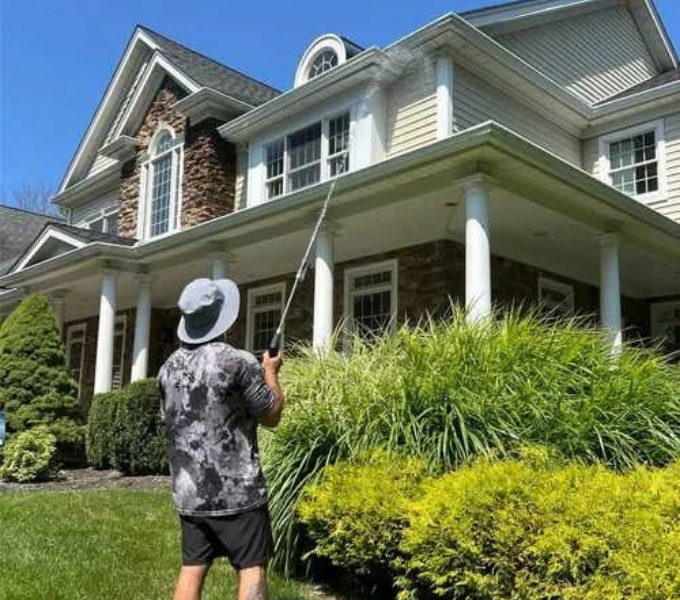
What Is Pressure Washing?
Pressure washing is a cleaning method that uses pressurized water to remove unwanted material from a surface.
A typical pressure washer contains several main parts:
Water inlet
Pump
Engine or motor
Hose
Spray wand
Nozzle
Water enters the machine through the hose. The pump then increases the water pressure before sending it through the hose and nozzle. The nozzle controls the shape and intensity of the spray.
The stronger water stream helps break the bond between the surface and contaminants such as dirt, mud, dust, and some stains.
How Does a Pressure Washer Create Pressure?
The machine uses a pump to move water at a much higher pressure than a standard garden hose can provide.
The pump receives water and forces it through a smaller opening. This increases the energy of the water leaving the nozzle. The result is a focused stream capable of cleaning much more effectively than ordinary outdoor water flow.
The pressure itself is only part of the cleaning process. Water volume also matters. A machine with the right balance of pressure and flow can clean efficiently without requiring excessive force.
How Does Pressure Washing Work Step by Step?
The exact process can vary depending on the surface and the type of buildup, but most pressure washing projects follow a similar sequence.
1. Inspect the Surface
The first step is checking what needs to be cleaned.
The operator should look for:
Surface material
Existing damage
Loose paint
Cracks
Stains
Organic growth
Areas that may be difficult to reach
This inspection helps determine the safest cleaning approach.
2. Prepare the Area
Loose objects are moved away from the cleaning area. Windows and doors are closed, and sensitive items may need to be covered or protected.
Nearby plants, outdoor fixtures, decorative features, and other materials should also be considered before cleaning begins.
3. Select the Right Nozzle
Pressure washers commonly use different nozzle types to change the spray pattern.
A wider spray distributes water over a larger area and can provide more control on many surfaces. A narrower spray concentrates the water and can provide more cleaning force.
The correct nozzle depends on the surface and the cleaning task.
4. Apply Cleaning Solution When Needed
Water alone may not be enough for certain types of buildup.
A suitable cleaning solution can help loosen dirt, grease, mildew, algae, or other contaminants. The product should always be compatible with the surface being cleaned.
5. Pressure Wash the Surface
The surface is then cleaned using controlled passes.
The wand should generally remain at a consistent distance from the surface. Moving too close can increase the force dramatically and may cause damage.
6. Rinse and Inspect
After cleaning, the surface is rinsed to remove loosened material and remaining cleaning solution.
The area should then be inspected to determine whether any spots need additional attention.
What Can Pressure Washing Remove?
Pressure washing can be useful for many types of exterior buildup.
Depending on the surface and cleaning method, it can help remove:
Dirt and dust
Mud
Algae
Mildew
Moss
Surface grime
Some oil and grease
Bird droppings
Cobwebs
Weather-related buildup
Certain surface stains
The effectiveness of pressure washing depends on what caused the stain and how deeply it has affected the material.
For example, loose dirt on concrete may be relatively easy to remove, while an old stain that has penetrated the surface may require additional treatment.
What Surfaces Can Be Pressure Washed?
Pressure washing is commonly used on durable exterior surfaces, but the cleaning technique should always match the material.
Concrete
Concrete driveways, sidewalks, walkways, and patios can often be pressure washed to remove dirt, mud, algae, and general buildup.
Brick and Masonry
Brick and masonry can sometimes be cleaned with pressure washing, but the pressure should be controlled carefully. Older or damaged masonry may require a gentler method.
Outdoor Areas
Pressure washing can also be useful for patios, certain decks, outdoor steps, and other hard exterior surfaces.
House Siding
Some siding materials can be cleaned with pressure washing at an appropriate pressure level. However, siding should not automatically be treated like concrete.
Vinyl, wood, painted surfaces, and other materials each have different cleaning requirements.
Why Does Pressure Washing Work So Well?
Pressure washing combines several cleaning principles.
Mechanical Action
The force of moving water helps break the bond between dirt and the surface.
Water Flow
The amount of water moving across the surface helps carry loosened debris away.
Cleaning Solutions
When needed, a suitable cleaner can help break down substances that water alone may not remove easily.
Controlled Technique
The operator can adjust pressure, nozzle selection, distance, and movement to suit the surface.
The effectiveness comes from using these factors together rather than depending on maximum pressure alone.
Benefits of Pressure Washing
Pressure washing can provide several practical benefits when the method is appropriate for the surface.
Removes Surface Buildup
It can quickly remove layers of dirt and grime that are difficult to clean manually.
Improves Exterior Appearance
Clean exterior surfaces can look noticeably different after accumulated dirt and organic buildup are removed.
Helps With Routine Maintenance
Regular exterior cleaning can be part of a property's general maintenance routine.
Cleans Large Areas Efficiently
A pressure washer can cover larger outdoor surfaces much faster than many traditional hand-cleaning methods.
Can Reach Difficult Areas
The spray wand can help clean areas that may be awkward to scrub manually, although access and safety still need to be considered.
Is Higher Pressure Always Better?
No. Higher pressure does not automatically mean better cleaning.
Too much pressure can:
Damage paint
Strip coatings
Mark concrete
Scar wood
Affect siding
Damage weak or deteriorated materials
Effective pressure washing depends on choosing the appropriate level for the specific surface.
The goal is to remove the buildup without unnecessarily affecting the material underneath it.
When Is Professional Cleaning Appropriate?
Some projects are simple enough for experienced homeowners to handle. Others are better suited to trained operators with the right equipment and surface knowledge.
Consider professional help when:
The cleaning area is large.
The surface is difficult to reach.
Multiple materials are involved.
The property has heavy buildup.
The surface is older or damaged.
You are unsure about pressure settings.
Special cleaning solutions may be required.
Professional power washing services can involve evaluating the surface first and adjusting the process based on the material, condition, and type of buildup.
Pressure Washing in Different Service Areas
Homeowners often search for exterior cleaning information using their local area. The basic pressure washing process remains similar, but the property and surface conditions can vary.
For homeowners researching power washing Orange County NY, common questions may involve cleaning siding, driveways, patios, walkways, and other exterior areas.
Those looking into power washing Rockland County NY may also be comparing cleaning methods for different surfaces around residential or commercial properties.
In New Jersey, people searching for power washing Morris County NJ may want to understand whether pressure washing is suitable for their specific exterior material before scheduling a cleaning project.
Homeowners researching power washing Bergen County NJ may also have questions about surface preparation, cleaning pressure, and the safest method for their property.
For those looking into power washing Passaic County NJ, the same basic principles apply: the cleaning method should be selected according to the surface rather than using the highest available pressure.
Common Pressure Washing Mistakes to Avoid
A few common mistakes can reduce cleaning quality or damage the surface.
Starting With Too Much Pressure
It is usually better to begin with a controlled setting and adjust as needed than to start with maximum pressure.
Using the Wrong Nozzle
A nozzle that is too aggressive can create unnecessary surface damage.
Holding the Wand Too Close
The closer the nozzle is to the surface, the stronger the impact can become.
Ignoring Cleaning Solutions
Some buildup responds better when treated with an appropriate cleaner before rinsing.
Cleaning Without Testing
Testing a small area first can help reveal how the surface reacts to the selected pressure and cleaning method.
Forgetting About Surrounding Materials
Water and cleaning solutions can affect plants, windows, outdoor furniture, painted surfaces, and other nearby items.
Final Thoughts
Understanding how does pressure washing work starts with recognizing that effective cleaning is not simply about using the highest possible pressure. The pump, water flow, nozzle, cleaning solution, spray distance, and surface material all work together. Choosing the right combination helps remove buildup while reducing the risk of damage. For more complicated projects, professional power washing services can use a surface-specific approach based on the property's materials and cleaning needs.
Frequently Asked Questions
-
Pressure washing works by using a pump to increase water pressure and directing the water through a nozzle. The pressurized stream helps loosen and remove dirt, grime, stains, and other surface buildup.
-
The terms are often used interchangeably. In many contexts, power washing refers to a similar process, sometimes with heated water. The exact equipment and terminology can vary between cleaning providers.
-
Pressure washing can help remove surface mold, algae, and similar buildup on suitable materials. Some organic growth may require a cleaning solution in addition to pressurized water.
-
Yes. Using excessive pressure, the wrong nozzle, or an unsuitable technique can damage some surfaces. The correct pressure should be selected based on the material and its condition.
-
There is no single schedule for every property. Cleaning frequency depends on weather, surrounding trees and vegetation, surface type, moisture, and how quickly dirt and organic buildup return.
-
Professional cleaning may be appropriate for large projects, difficult-to-reach areas, heavy buildup, delicate surfaces, or situations where the correct pressure and cleaning method are unclear.